
Aug
Food Poisoning—But the Shell Color Is Not the Reason
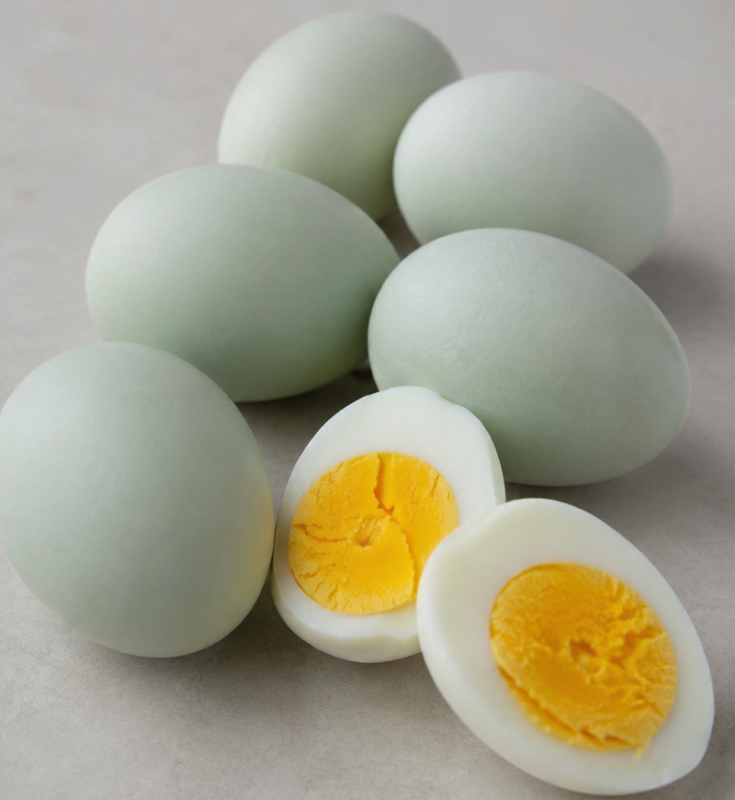
Green-shelled chicken eggs can look unusual enough to make some shoppers hesitate. Their shells may be pale mint, blue-green, olive, or dark mossy green, leading to online claims that they are “medicinal,” genetically modified, chemically treated, or even dangerous.
The scientifically accurate answer is much less dramatic: a naturally green shell does not make an egg poisonous. There is no established evidence that green-shelled chicken eggs cause a special disease that white or brown eggs do not.
However, eating any raw, undercooked, cracked, contaminated, or poorly stored chicken egg can cause foodborne illness. In other words, green-shelled eggs can cause food poisoning under unsafe conditions—but their color is not the cause.
Why Are Some Chicken Eggs Green?
Eggshell color is mainly determined by the hen’s genetics. Different chicken breeds deposit different pigments while the shell forms in the reproductive tract.
Research has identified biliverdin as one of the pigments responsible for blue or blue-green coloring. Olive-green shells generally result from a combination of blue-green biliverdin and reddish-brown protoporphyrin pigments.
This coloration is naturally incorporated into or deposited on the calcium-carbonate shell. It is not evidence that dye, chemicals, medicine, or spoiled material has entered the edible part of the egg.
Breeds such as Araucanas and several related or crossbred chickens are known for laying eggs that range from blue to green. The U.S. Department of Agriculture explains that shell color is determined by the hen’s breed and does not create a meaningful nutritional difference. Claims that naturally colored eggs automatically contain less cholesterol or are dramatically healthier than ordinary eggs have not been proven.

Can Green-Shelled Eggs Cause Food Poisoning?
Yes—but only in the same way that white, cream, or brown eggs can.
The main recognized food-safety concern associated with shell eggs is Salmonella. According to the U.S. Food and Drug Administration, even fresh eggs with clean, uncracked shells may sometimes contain Salmonella bacteria.
If contaminated eggs are eaten raw or undercooked, they may cause diarrhea, fever, abdominal cramps, vomiting, and other symptoms of foodborne illness. Symptoms often begin within 12 to 72 hours and commonly last four to seven days, although serious cases may require hospital treatment.
The outside color of an egg does not tell consumers whether Salmonella is present. A spotless green egg is not automatically safer than a white egg, while a white egg is not automatically safer than a green one.
Food safety depends much more on farm hygiene, refrigeration, shell condition, preparation, cooking temperature, and the prevention of cross-contamination.
This is the most important point for consumers: do not fear the natural green pigment, but do not let the attractive color create a false sense of safety either.
Who Faces the Greatest Risk?
Most healthy people recover from Salmonella infection without specific treatment, but the illness can become severe.
The FDA identifies young children, older adults, pregnant women, and people with weakened immune systems as groups at higher risk of serious complications. This includes people undergoing certain cancer treatments, transplant recipients, and individuals with conditions that weaken their ability to fight infection.
People in these groups should be especially careful about dishes containing raw or lightly cooked eggs. Examples include homemade mayonnaise, Caesar dressing, eggnog, mousse, tiramisu, uncooked cake batter, homemade ice cream, soft scrambled eggs, and eggs with runny whites.
Pasteurized shell eggs or pasteurized egg products are safer choices when a recipe will not cook the egg thoroughly. Pasteurization is designed to destroy Salmonella without fully cooking the egg or significantly changing how it can be used in recipes.
Egg Allergy Is Another Risk—Regardless of Shell Color
Egg is recognized by the FDA as a major food allergen.
Someone with an egg allergy may react to green-shelled eggs just as they would to white or brown eggs because an allergic reaction is triggered by egg proteins, not by the pigment in the shell.
Possible symptoms include hives, skin redness, swelling, vomiting, abdominal discomfort, coughing, wheezing, dizziness, throat swelling, or difficulty breathing. Severe reactions can progress to anaphylaxis and require urgent medical treatment.
Therefore, a person with a diagnosed egg allergy should not assume that eggs from a different breed of chicken are safe. Shell color does not remove or neutralize allergenic proteins.

Are Green Eggs More Nutritious?
Not automatically.
Eggs can provide high-quality protein and several important nutrients, but the green shell itself is not a reliable nutrition label.
Nutrient content may vary somewhat with the hen’s diet, age, health, and production conditions. However, shell color alone cannot tell consumers how much protein, fat, cholesterol, vitamins, or minerals are inside.
Some specialty eggs may come from farms that use different feeds or husbandry systems. Those differences can affect price and, in some cases, certain nutritional characteristics. However, shoppers should evaluate the actual product label, farm practices, freshness, and handling claims rather than assuming that green eggs are healthier.
Likewise, a higher price does not prove superior nutrition or safety. Specialty-colored eggs may cost more because the breeds that lay them are less common, produce fewer eggs, require different farming conditions, or are raised on smaller farms.
What If the Yolk Turns Green After Boiling?
A green shell and a green ring around a cooked yolk are two completely different things.
The USDA notes that a green ring can form around a hard-cooked yolk when sulfur and iron compounds in the egg react. This commonly happens when an egg is cooked for too long or is not cooled quickly enough afterward.
This discoloration is generally a cooking-quality issue rather than evidence that the egg has become poisonous.
To reduce the chance of a green ring, avoid excessive cooking and cool hard-boiled eggs promptly after they are done. The ring may look unappetizing, but it should not be confused with a naturally green eggshell or with bacterial contamination.
How to Buy Green-Shelled Eggs Safely
Green eggs should be judged by the same standards as any other shell egg.
Buy eggs from a refrigerated display when refrigeration is required in your region. Open the carton before purchasing and check that the shells are clean and free from cracks. A crack creates an easier route for microorganisms to reach the inside of the egg.
Pay attention to the seller’s handling practices, especially when buying from a small farm, farmers’ market, or informal supplier. Small-scale production does not automatically mean unsafe, but refrigeration, cleanliness, flock health, and careful egg collection still matter.
Avoid buying eggs that have been left for long periods in direct sunlight, near a heat source, or inside a hot vehicle. Warm conditions allow harmful bacteria to multiply more quickly.
Safe Storage at Home
The FDA advises storing eggs promptly in a clean refrigerator at 40°F, or approximately 4°C, or colder. Keep them in their original carton rather than placing them uncovered in the refrigerator door, where temperatures may fluctuate more frequently.
For best quality, the FDA recommends using refrigerated shell eggs within approximately three weeks.
Hard-cooked eggs should be eaten within one week, while leftover cooked egg dishes should generally be used within three to four days.
Do not leave cooked eggs or egg-containing dishes at room temperature for more than two hours. When the surrounding temperature is above 90°F, or approximately 32°C, that limit drops to one hour because bacteria multiply rapidly in warm conditions.

How to Cook Eggs More Safely
Cook shell eggs until both the yolk and white are firm when maximum safety is the priority, especially when serving people in higher-risk groups. Scrambled eggs should not remain runny.
Casseroles, quiches, and other mixed dishes containing eggs should reach an internal temperature of 160°F, or approximately 71°C. A food thermometer provides the most reliable way to check the temperature.
Wash hands, utensils, cutting boards, bowls, and work surfaces with hot, soapy water after they come into contact with raw eggs.
Do not reuse a plate, spoon, whisk, or other utensil that held raw egg unless it has been properly washed. Keep raw eggs away from fruit, bread, salads, cooked food, and other items that will be eaten without further heating.
For recipes traditionally made with raw or undercooked eggs, use pasteurized shell eggs or pasteurized egg products.
When Should an Egg Be Discarded?
Discard eggs with cracked or badly damaged shells. Do not use an egg when the shell is leaking or appears heavily contaminated.
After cracking an egg into a separate clean bowl, throw it away if it produces a distinctly foul or rotten odor. Cracking eggs one at a time before adding them to a larger recipe also prevents one spoiled egg from ruining the entire dish.
However, do not discard an egg simply because its shell is green, blue-green, or olive. That color may be completely normal for the breed.
The warning signs that matter are damaged packaging, poor refrigeration, cracks, contamination, unusual odor, and unsafe handling—not the shell’s natural color.
The Bottom Line
The statement that “eating green-shelled chicken eggs can cause food poisoning” is technically possible but incomplete and potentially misleading.
Any chicken egg can carry foodborne bacteria when it is contaminated or mishandled. Scientific evidence does not support the idea that the natural green shell pigment itself makes an egg toxic.
Green-shelled eggs are generally as safe to eat as other chicken eggs when they come from a reliable source, remain properly refrigerated, have intact shells, and are cooked and handled correctly.
Their color is a genetic and biochemical feature—not a medical warning label.
Consumers should focus less on whether an egg is green, brown, or white and more on the factors that genuinely protect health: cleanliness, refrigeration, pasteurization when needed, thorough cooking, and the prevention of cross-contamination.
Disclaimer: Content is provided for informational purposes only and is not intended as a substitute of medical advice. Seek guidance of your doctor regarding your health and medical conditions.